
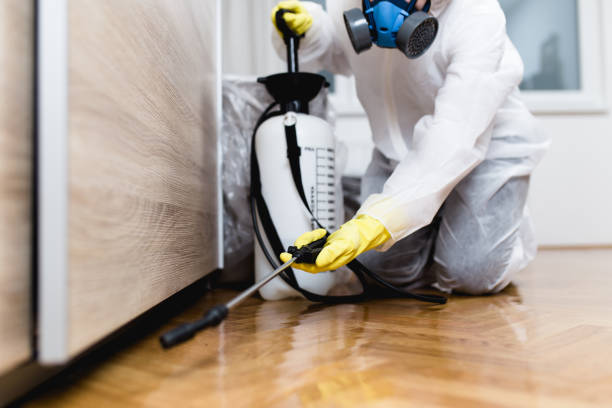
Dealing with a roach infestation can be a daunting task for homeowners, but professional exterminators have a systematic and effective approach to eliminate these resilient pests. Understanding the step-by-step process they follow ensures transparency and helps homeowners appreciate the importance of hiring professionals for severe infestations.
1. Inspection and Assessment
The first step in effective roach control is a detailed inspection and assessment. Exterminators start by:
– Identifying the type of cockroach species present (e.g., German, American, or Oriental roaches).
– Locating high-traffic areas where roaches are most active, such as kitchens, bathrooms, basements, or near water sources.
– Detecting entry points like cracks in walls, windowsills, or utility pipes that may serve as access points for roaches.
– Pinpointing food and water sources that sustain the infestation.
By creating a clear map of problem areas, exterminators can design a targeted treatment strategy.
2. Developing a Customized Treatment Plan
After the inspection phase, exterminators develop a tailored treatment plan based on factors such as infestation severity, type of cockroaches present, and size of the property. Key components include:
– Selecting appropriate extermination methods (chemical treatments, baiting systems, or integrated pest management approaches).
– Scheduling follow-up visits to ensure long-term effectiveness.
3. Preparation Before Treatment
Before implementing any treatments, exterminators often provide homeowners with pre-treatment instructions to maximize results: – Remove clutter from infested areas to improve accessibility. – Store food items securely in airtight containers. – Clean surfaces to remove grease and crumbs that attract roaches. – Cover or remove pet food dishes.
Following these steps ensures that treatments are applied effectively without interference from environmental factors.
4. Application of Treatment Methods
Chemical Treatments: Exterminators use professional-grade insecticides that target roaches while being safe for humans and pets when applied correctly. These chemicals may include:
| Insecticide Type | Purpose | Examples |
|—————————|——————————————|—————————–|
| Residual sprays | Kills roaches over time after contact | Cyfluthrin-based products |
| Non-residual sprays | Immediate knockdown effect | Pyrethrin-based solutions |
| Insect growth regulators | Disrupts reproduction cycles | Hydroprene formulations |
Gel Baits: Professionals place gel baits in strategic locations like crevices or cabinets where roach activity is high. The bait attracts cockroaches which then ingest it and spread it among their colony.
Dust Treatments: Dusts containing boric acid or silica gel are applied into wall voids and other hard-to-reach spaces where sprays cannot penetrate effectively.
Traps: Sticky traps may also be deployed to monitor activity levels post-treatment.
5. Follow-Up Visits and Monitoring
To ensure complete eradication of all life stages—eggs included—exterminators schedule follow-up appointments within weeks after initial treatment: – Inspect previously treated areas for signs of continued activity. – Reapply treatments if necessary. – Provide ongoing advice for preventing future infestations.
6. Prevention Recommendations Post-Treatment
Once success is achieved in eliminating the infestation, professionals offer guidance on how to keep homes pest-free moving forward: 1. Keep all surfaces clean from grease residue and food particles. 2. Seal all cracks and gaps around doors/windows using caulk or weatherstripping material. 3. Fix any leaky plumbing that provides moisture sources critical for cockroach survival. 4. Regularly dispose of garbage in sealed bins. 5. Store perishable foods properly to avoid attracting pests.
By following this comprehensive process step by step, professional exterminators ensure not only effective removal but also reduce chances of recurrence significantly over time—leaving property owners with peace of mind about their pest-free environment moving forward.
Effective Miami Gardens FL Pest Control: Understanding the Complete Extermination Process
Step 1: Miami Gardens Pest Removal Inspection and Assessment
- Identifying the type of pest: Determining whether you are dealing with cockroaches, ants, termites, or other pests.
- Locating infestation hotspots: Inspecting common hiding areas like kitchens, bathrooms, basements, and cracks in walls.
- Understanding contributing factors: Assessing elements like food sources, moisture levels, and structural vulnerabilities.
This stage helps the exterminator develop a customized strategy tailored to the specific infestation.
Developing an Effective Extermination Plan with Our Pest Control Service Miami Gardens FL
The plan often includes chemical treatments like insecticides or bait stations alongside preventive measures such as sealing entry points.
Step 2: Implementation of Treatment
Treatment Methods:
- Sprays targeting infested areas.
- Gel baits placed near roach activity zones.
- Heat treatments for bed bugs or termites.
- Vacuuming to remove pests physically.
Tools Used:
| Tool | Purpose |
| Sprayers | Distribute pesticides evenly |
| Bait Stations | Attract and poison roaches |
| HEPA Vacuums | Suck up pests and allergens |
| Sealants | Block openings where pests might re-enter |
Step 3: Monitoring and Follow-Up
- Checking bait stations for activity.
- Identifying any surviving pests through spot inspections.
- Conducting additional treatments if necessary.
Most professionals recommend scheduling follow-up visits within weeks after initial treatment to address lingering issues effectively.
Step 4: Prevention Recommendations
- Keeping food sealed in airtight containers.
- Regularly cleaning kitchen counters and floors.
- Fixing leaks or excess moisture sources around your home.
- Sealing gaps around windows, doors, or pipes.
By implementing these preventive measures alongside professional treatment strategies, homeowners can significantly reduce their risk of reinfestation.
Understanding these steps ensures you’re informed about what goes into effective pest control efforts. Engaging with qualified professionals who follow these practices enhances both immediate outcomes and long-term results in managing pest problems effectively.
Effective Techniques Used by a Pest Control Company Miami Gardens FL to Eliminate Roaches
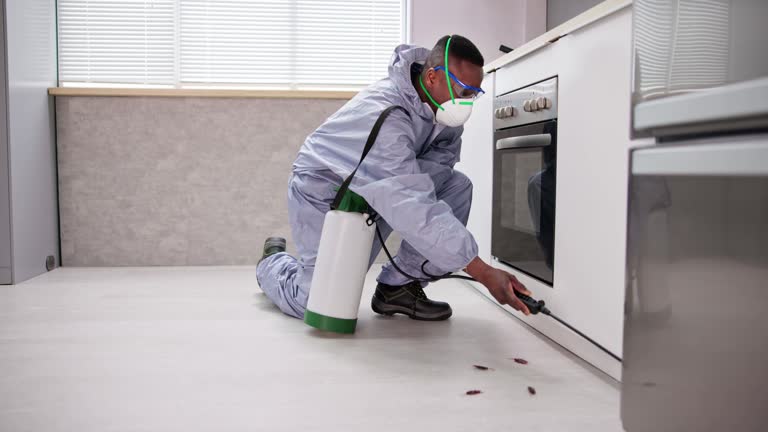
Professional exterminators rely on a combination of industry-standard chemicals, advanced techniques, and strategic approaches to effectively eliminate roach infestations. Understanding the tools and methods they use provides valuable insights into how pest control is carried out safely and efficiently.
Common Chemicals Used by Exterminators
Exterminators typically use a range of pesticides that are approved for professional use. These chemicals are specifically designed to target cockroaches while minimizing risks to humans and pets when used correctly.
- Purpose: Disrupt the life cycle of roaches by preventing them from reaching maturity or reproducing.
- Examples: Hydroprene, Methoprene.
- Benefits: Reduces future infestations by eliminating eggs and larvae.
- Purpose: Provide long-term protection by killing roaches that come into contact with treated surfaces.
- Examples: Bifenthrin, Deltamethrin.
- Application: Sprayed along baseboards, cracks, crevices, and other high-traffic areas for roaches.
- Purpose: Attract roaches to consume poison-laced food sources that they carry back to their nests.
- Examples: Gel baits containing Fipronil or Hydramethylnon.
- Benefit: Targets entire colonies rather than individual pests.
- Purpose: Kill roaches instantly on contact during active infestations.
- Examples: Pyrethrin-based sprays.
- Limitation: Temporary solution best suited for spot treatments rather than long-term control.
Methods Utilized for Effective Cockroach Control
Effective cockroach extermination doesn’t rely solely on chemicals—it involves strategic application methods tailored to the severity of the infestation.
Inspection
Before applying treatments, exterminators conduct a thorough assessment of your property: – Identify infested areas such as kitchens, bathrooms, or basements. – Locate entry points like cracks in walls or gaps around windows. – Check for signs of nesting sites or egg casings.
Treatment Application
Exterminators adopt a multi-faceted approach when applying treatments: 1. Targeted Spraying: Residual insecticides are applied in key areas where cockroaches travel or hide. 2. Bait Stations: Gel baits are placed strategically in dark corners, under sinks, or behind appliances. 3. Dusting: Insecticidal dusts may be applied in hard-to-reach spaces like wall voids or crawl spaces. 4. Fogging (if necessary): For severe infestations, foggers may be used to disperse insecticide particles throughout large spaces.
Ongoing Prevention Recommendations
After treatment is complete, professionals often provide guidance on reducing the risk of re-infestation: – Seal up cracks and crevices with caulk. – Regularly clean food spills and crumbs from countertops. – Store food in airtight containers to prevent access. – Take out trash regularly and avoid leaving garbage bags indoors overnight.
Safety Measures Adopted by Exterminators
While professional-grade products can be highly effective against cockroaches, safety is always a priority during pest control operations: 1. Protective gear such as gloves and masks is worn during chemical application. 2. Areas where pesticides have been applied may be temporarily restricted for human activity until safe re-entry times have passed (as per product label guidelines). 3. Pet-safe bait formulations may be selected when homes have animals present.
| Method/Tool | Primary Use | Key Benefit | Example Products |
| IGRs | Disrupt lifecycle | Reduces future infestations | Gentrol Point Source |
| Residual Sprays | Long-term surface protection | Kills on contact over time | Demon WP |
| Gel Baits | Attract-and-kill strategy | Targets entire colonies | Advion Cockroach Gel |
| Dusts | Hard-to-reach areas | Effective in voids & tight spaces | CimeXa Insecticide Dust |
By employing these proven chemicals and techniques alongside rigorous safety practices, professional exterminators ensure thorough elimination of cockroach populations while safeguarding your home environment from further infestation risks.
How Much Does an Exterminator Cost for Comprehensive Roach Removal Services?
Professional roach extermination is an essential service for homeowners and businesses facing infestations. However, the cost of this service can vary depending on several factors. Understanding these costs can help you make informed decisions about hiring a professional exterminator.
Factors That Affect the Cost of Roach Extermination
- A small, localized infestation may require fewer treatments and less labor, reducing overall costs.
- Severe infestations that extend throughout a property often require multiple visits and more extensive treatment efforts, increasing costs.
- Larger properties (e.g., multi-bedroom houses or commercial spaces) naturally require more labor, chemicals, and time to treat effectively.
- Smaller apartments or homes are typically less costly to treat due to reduced square footage.
- Chemical treatments such as insecticide sprays or baits are the most common methods used by exterminators and are generally affordable.
- Advanced treatments like heat remediation or fumigation can be more effective for widespread infestations but are often more expensive.
- Some infestations may be eliminated with a single visit while others demand recurring treatments over several months to achieve complete eradication.
- Prices can vary based on local demand for pest control services as well as cost-of-living considerations in your region.
Average Costs for Professional Roach Extermination
| Service Type | Average Cost Range | Notes |
| One-Time Visit | $100 – $300 | Ideal for small-scale problems |
| Monthly or Quarterly Plans | $75 – $150 per visit | Best for ongoing maintenance |
| Fumigation Service | $1,200 – $2,500+ | Used for extreme infestations |
| Heat Treatments | $800 – $2,000+ | Effective but higher cost |
Note: These prices may fluctuate depending on location and individual pest control companies’ policies.
Is Professional Roach Extermination Worth It?
- Effective elimination reduces damage to property caused by roaches.
- Preventative measures taken during treatment ensure future infestations are minimized.
- Professionals have access to specialized tools and chemicals not available to consumers.
When assessing costs, it’s also helpful to consider how much time and effort you might save compared to attempting DIY methods that may fail to resolve severe problems completely.
Tips for Reducing Extermination Costs
- Compare Quotes: Contact multiple pest control companies in your area for estimates.
- Opt For Ongoing Maintenance Plans: These often reduce per-visit costs compared to one-time services.
- Seal Entry Points Beforehand: Preventing reinfestation can reduce future expenses.
- Discuss Guarantees: Some exterminators offer warranties or free follow-up visits if roaches reappear within a specified timeframe.
By understanding these factors and evaluating your specific situation carefully, you can select a service that fits both your needs and budget while ensuring effective roach removal from your home or business environment.
What To Expect After a Professional Exterminator Sprays for Roaches in Your Home
When a professional exterminator sprays your home for roaches, it is essential to understand what you can expect during the days and weeks following the service. A successful pest control treatment doesn’t always produce immediate eradication, and certain steps and outcomes are part of the process. Here’s what you should know.
Initial Activity Increase
It’s common to notice an increase in roach activity immediately after spraying. This may seem counterproductive, but it is actually a positive sign that the treatment is working. The chemicals used by exterminators disrupt the pests’ habitats, forcing them out into the open and exposing them to the pesticide.
- Pesticides disturb nesting sites.
- The chemicals agitate roaches, causing them to scatter.
Although this uptick in activity can be unsettling, it typically subsides within days as the pest population declines.
Dead Roaches Around Your Home
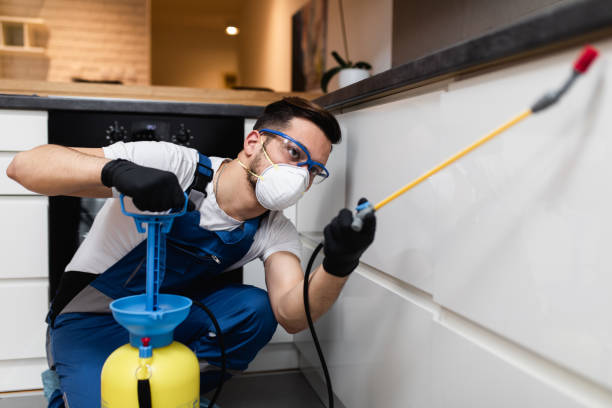
Following treatment, you’re likely to find dead or dying roaches around your home. This indicates that the pesticide is effectively targeting their nervous systems.
- Under appliances (e.g., refrigerators or ovens)
- Inside cabinets
- Near water sources such as sinks or bathtubs
Dispose of any dead insects promptly using gloves or paper towels to maintain hygiene.
Reduced Roach Sightings Over Time
The full results of professional spraying may take one to two weeks or longer, depending on factors such as infestation severity and type of pesticide used. Over time, sightings will diminish as more pests come into contact with treated surfaces.
Expected timeline:
| Week | What You May Notice |
|——|——————————————————————|
| 1 | Increased activity; some live sightings; presence of dead roaches |
| 2 | Significant reduction in activity; fewer live sightings |
| 3+ | Minimal or no signs of infestation |
Follow-Up Treatments May Be Required
For severe infestations or particularly resilient species like German cockroaches, one round of spraying might not be enough. Most exterminators recommend follow-up treatments to ensure complete extermination.
- Typical follow-up schedule: Every 2–4 weeks until no signs remain.
- Additional benefits: Prevents re-infestation by targeting new hatchlings from existing egg cases.
Cleaning After Spraying: Do’s and Don’ts
- Wait at least one week before mopping floors.
- Wipe down surfaces like countertops (avoiding treated zones).
- Vacuum regularly to remove dead pests and debris.
- Use strong cleaning agents near treated baseboards or cracks.
- Clean too soon after spraying (unless directed by your exterminator).
Preventative Measures Moving Forward
- Seal entry points: Use caulk or weather stripping on cracks and gaps.
- Eliminate food sources: Store food in airtight containers and clean up crumbs promptly.
- Reduce moisture: Fix leaks under sinks and eliminate standing water.
By combining professional assistance with good hygiene practices, you can ensure long-term protection against future roach problems while maintaining a healthy living environment.
When To Call a Skilled Exterminator to Handle Severe Roach Infestations
Dealing with a severe roach infestation can be overwhelming and challenging, especially if home remedies and over-the-counter solutions fail to make an impact. Knowing when to call a professional exterminator is crucial for ensuring your home becomes pest-free promptly and efficiently. Below is an exploration of the situations where professional intervention becomes necessary.
Signs That You Need Professional Help
- Persistent Roach Sightings: Spotting roaches during the day indicates that the infestation has likely grown beyond what DIY methods can handle.
- Unpleasant Odors: A strong, oily, or musty smell in your home often signals a large roach population.
- Droppings or Egg Casings: Discovering fecal matter resembling coffee grounds or pepper, along with oval-shaped egg capsules (oothecae), suggests significant activity.
- Damage to Property: Roaches feed on organic materials and may leave behind chew marks on food packaging, books, cardboard, or even wallpaper glue.
- Failed DIY Efforts: After multiple attempts with traps, baits, or sprays, if the problem persists or worsens, professional expertise is required.
Benefits of Hiring an Exterminator for Severe Infestations
- Customized Treatment Plans
Exterminators assess the severity of your infestation and tailor their approach based on your home’s layout and specific areas of concern. - Access to Advanced Solutions
Professionals use industrial-grade chemicals and methods approved by regulatory agencies that are more effective than store-bought alternatives. - Long-Term Prevention
They not only address current infestations but also provide advice on sealing entry points and maintaining cleanliness to prevent future problems. - Health & Safety Assurance
Properly trained technicians ensure that treatments are applied safely without posing risks to household members or pets.
When Timing Is Critical
| Situation | Why Timely Action Matters |
| Infestations in Commercial Kitchens | Roaches contaminate food supplies and pose health risks. |
| Large Numbers Found in Multiple Rooms | Indicates rapid reproduction requiring swift control. |
| Presence in Schools or Daycares | Ensures children’s health isn’t compromised by exposure. |
| Allergic Reactions Among Residents | Droppings and shed skins can trigger allergies or asthma. |
Preparing for Professional Service
- Remove all clutter where roaches may hide.
- Clean surfaces thoroughly to eliminate food residue before treatment begins.
- Store food items securely in airtight containers.
- Inform the exterminator about any sensitive areas such as nurseries or pet habitats.
Hiring an experienced exterminator at the right time not only resolves severe infestations but also helps safeguard your family’s well-being while preserving the integrity of your living space. By recognizing when it’s necessary to seek expert assistance, you can prevent a minor problem from developing into a larger threat that’s harder—and costlier—to address.
When To Call a Skilled Exterminator to Handle Severe Roach Infestations
Dealing with roaches can be overwhelming, especially when the infestation grows beyond what simple DIY methods can handle. Knowing when to call a professional exterminator is crucial for safeguarding your home and health. Below, we outline the key signs and factors that indicate it’s time to bring in an expert.
Signs That You Need a Professional Exterminator
- If you’ve tried traps, baits, or sprays but still notice roaches frequently, a professional may be required to address the root cause.
- Recurring sightings after using over-the-counter products indicate deeper infestation issues that require advanced techniques.
- Roaches are nocturnal by nature. Seeing them during the day often signals that their population has grown so large that they’re being forced out of hiding due to overcrowding.
- Finding numerous egg casings (small brown capsules) or droppings (black specks resembling coffee grounds) may suggest rapid reproduction and an expanding colony.
- Severe infestations may produce a musty or oily smell caused by roach secretions, particularly from larger populations.
- If family members experience allergy-like symptoms, asthma flare-ups, or other respiratory problems, this could be linked to allergens produced by cockroaches in your home.
Why Professional Help is Necessary
- Expert Knowledge: Professionals know how different species of roaches behave and where they hide.
- Access to Advanced Tools and Chemicals: Many pest control products used by exterminators are more potent than consumer-grade options and require proper expertise to handle safely.
- Thorough Inspections: Exterminators perform comprehensive inspections to identify entry points, nesting areas, and contributing factors such as moisture or food sources.
- Long-Term Solutions: Beyond simply eliminating active roaches, professionals implement preventive measures like sealing cracks and gaps or recommending structural repairs.
Scenarios Where Calling an Exterminator is Critical
| Situation | Why It Requires Professional Help |
| Large-scale infestations | Harder-to-reach areas like inside walls or under appliances harbor colonies too extensive for DIY methods. |
| Infestations in multi-unit buildings | Requires coordinated treatment across all units; individual efforts are often ineffective without trained oversight. |
| Businesses dealing with roaches | Restaurants, hotels, and other commercial spaces need swift action due to health code compliance concerns. |
How Professionals Can Ensure Complete Eradication
- Thorough assessment of your home environment.
- Customized treatment plans tailored specifically for your infestation level.
- Follow-up visits if necessary to monitor progress and prevent reinfestation.
Recognizing when it’s time for expert intervention can save you time, money, and stress while ensuring your living space remains pest-free long term.
- What to Expect from a Pest Control Company in Miami Gardens FL: Your Comprehensive Step-by-Step Guide
- The Ultimate Checklist for Cleaning After Miami Gardens FL Pest Control
- Step-by-Step Guide: How an Exterminator Miami Gardens FL Can Professionally Get Rid of Roaches
- How to Prepare Your Home for Miami Gardens FL Pest Control Services
- Understanding the Role of Miami Gardens FL Pest Control Experts and Why They’re Essential
- Comprehensive Guide to Choosing a Pest Control Company Miami Gardens FL for Expert Extermination Services
- How Property Owners in Miami Gardens FL Can Prepare for a Pest Control Company Treatment