
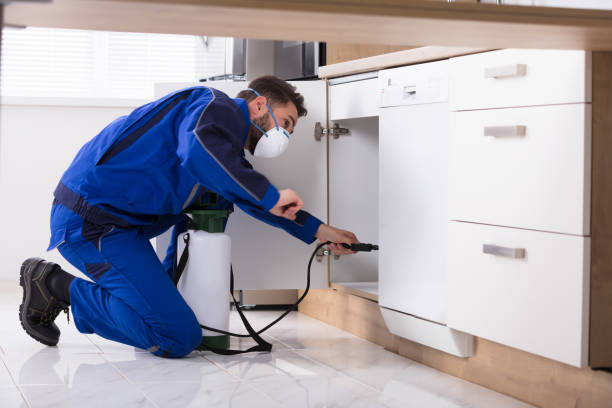
An exterminator, also referred to as a pest control specialist, plays a crucial role in maintaining healthy and comfortable living or working environments. These professionals are trained to identify, manage, and eliminate infestations caused by various pests such as insects, rodents, and even wildlife in homes or commercial spaces.
The Role of an Exterminator
Exterminators are responsible for much more than simply removing visible pests. Their expertise lies in understanding the behaviors, life cycles, and habitats of pests in order to effectively address infestations at their root. Here are some key aspects of their role:
– Inspection: They begin with a thorough assessment of affected areas to determine the type and extent of pest activity.
– Detection of Root Causes: Professionals identify entry points, nesting areas, and contributing factors like food sources or moisture that attract pests.
– Tailored Solutions: Based on their findings, exterminators develop customized treatment plans suited to the specific pest problem.
– Preventative Measures: Beyond extermination, they often recommend preventive strategies to safeguard against future infestations.
Why Professional Pest Control Matters
| Benefits | Explanation |
| Expertise | Trained exterminators understand how different pests behave and how best to remove them safely. |
| Safety | Professionals use regulated pesticides and non-toxic treatment methods wherever possible. |
| Long-Term Solutions | DIY approaches often provide temporary relief; experts address the source for lasting results. |
| Health Protection | Many pests carry allergens or diseases that can harm your family or employees if not properly handled. |
Misconceptions About Exterminators
There is often misunderstanding about what exterminators do and how they operate:
1. Not All Methods Rely on Chemicals: Modern pest control experts emphasize integrated pest management (IPM), which combines chemical-free techniques like physical barriers or habitat modifications with pesticide use only when necessary.
2. They Don’t Only Handle Big Infestations: Whether it’s a single mouse or a full-blown termite invasion, professionals can assist with all levels of infestation severity. 3. Prevention Is Part of Their Job: Many people assume exterminators only respond reactively; however, prevention services such as sealing cracks or removing attractants are equally important parts of their work.
A professional exterminator’s role extends beyond simply “killing bugs”—it’s about protecting your property from damage, ensuring your health is not compromised by exposure to harmful agents, and creating an environment free from unwanted invaders through safe practices tailored for each situation.
What to Expect from a Pest Control Company Miami Gardens FL During Professional Extermination
Professional exterminators play a vital role in maintaining healthy and safe living or working environments by addressing pest infestations promptly and effectively. Below, we delve into the key responsibilities that define their work, providing insight into what clients can expect during pest control services.
Initial Inspection and Assessment
One of the first critical duties of an exterminator is conducting a thorough inspection of the property. This process involves:
– Identifying Pest Types: Determining the exact species causing the infestation (e.g., rodents, termites, bed bugs).
– Assessing Infestation Severity: Evaluating how widespread or severe the infestation is.
– Locating Entry Points: Detecting cracks, gaps, or other areas where pests are accessing the property.
– Understanding Environmental Factors: Noting conditions within and around the property (e.g., moisture levels or food availability) that are contributing to pest activity.
Developing a Targeted Treatment Plan
After completing their assessment, exterminators create a customized strategy tailored to address the specific pest problem. This often includes:
1. Choosing appropriate treatment methods (chemical sprays, bait stations, traps, or natural deterrents).
2. Considering safety measures for pets, children, and occupants of the home or building.
3. Outlining precautions and post-treatment requirements for homeowners or business operators.
This step ensures that treatment aligns with environmental regulations while maintaining maximum effectiveness.
Applying Safe and Effective Treatment Methods
Treatment application is one of the most visible duties performed by exterminators. Depending on circumstances, this may include:
– Chemical Applications: Using EPA-approved insecticides or pesticides designed to eradicate pests while minimizing harm to humans and animals.
– Mechanical Controls: Setting traps for rodents or deploying physical barriers to prevent further entry by pests like raccoons or squirrels. – Biological Controls: Utilizing natural predators for certain types of pests when applicable.
Every action taken at this stage considers both short-term elimination and long-term prevention.
Educating Clients on Prevention Techniques
Responsible pest control extends beyond immediate removal efforts; educating clients on preventive measures is equally important in reducing future infestations:
– Sealing entry points such as holes in walls or cracks around windows/doors. – Storing food properly in airtight containers. – Regularly cleaning areas prone to spills, crumbs, or standing water. – Scheduling periodic inspections if located in high-risk areas (e.g., termite-prone regions).
Professionals often share tailored advice based on specific property conditions.
Monitoring and Follow-Up Services
Quality pest control doesn’t end with one treatment session; reputable exterminators offer follow-up visits to ensure results are lasting:
| Service | Purpose | Frequency |
|——————|———————————————|———————-|
| Monitoring | Checking for recurring activity | Weekly/biweekly |
| Re-Treatment | Addressing stubborn infestations | As needed |
| Maintenance Plans| Preventative care for long-term protection | Quarterly/annually |
By continuously monitoring progress and adjusting strategies as required, professionals help clients maintain peace of mind regarding future concerns.
Ultimately choosing trained experts ensures effective handling without unnecessary risks/errors common via DIY approaches
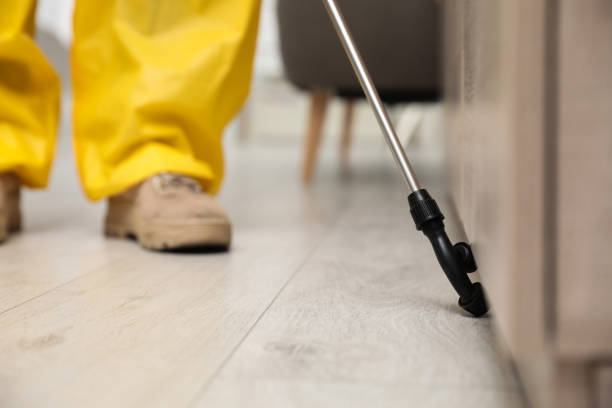
How an Exterminator Miami Gardens FL Can Effectively and Safely Handle Your Infestation Problems
Pest infestations can quickly escalate from being a minor inconvenience to a significant issue that threatens your property, health, and well-being. While some individuals might consider tackling the problem themselves, hiring a professional exterminator is essential for ensuring safe, effective, and long-lasting pest control. Here’s why working with an expert in pest management is always the best approach.
Expertise and Knowledge
- Identify the root cause of infestations.
- Tailor treatment plans for specific pest problems.
- Use advanced tools and techniques that are not typically accessible to homeowners.
This knowledge ensures that infestations are not only addressed but prevented from recurring.
Safe Application of Pest Control Products
- Using eco-friendly or low-toxicity solutions when possible.
- Reducing risks of exposure to harmful chemicals for humans and pets.
- Proper disposal of pest control products according to local regulations.
Cost-Effectiveness Over Time
- Targeted treatments that eliminate pests at their source.
- Prevention strategies that minimize the likelihood of future infestations.
- Reduced costs associated with property damage caused by pests like termites or rodents.
For example, delaying proper termite treatment could lead to structural repairs costing thousands of dollars.
Comprehensive Solutions for Different Pests
| Common Pests | Complex/Severe Pests |
| Ants | Termites |
| Cockroaches | Bed bugs |
| Spiders | Rodents (mice/rats) |
| Mosquitoes | Wildlife (e.g., raccoons) |
By understanding how various pests operate, professionals can implement customized solutions rather than applying a one-size-fits-all method.
Peace of Mind Through Long-Term Prevention
- Regular inspections for signs of new infestations.
- Sealing entry points such as cracks or gaps around windows, doors, and foundations.
- Proper storage of food items and waste management practices.
- Maintenance tips like reducing standing water or clearing cluttered areas where pests thrive.
Such preventative measures ensure your space remains safe from unwelcome invaders over time.
Hiring a professional exterminator guarantees effective results while prioritizing safety for your family or employees. Their expertise reduces risks related to improper application of pesticides while offering peace of mind through thorough and lasting pest control solutions—something DIY methods often fail to deliver efficiently.
Effective Miami Gardens Pest Removal: From Cockroaches to Termites and Beyond
Professional exterminators are trained to address a wide variety of pests that can invade homes, businesses, and other properties. Each pest requires tailored techniques and treatments for effective removal and prevention. Below is an overview of some of the most common pests handled by exterminators.
1. Cockroaches
Cockroaches are one of the most resilient pests, known for their ability to survive in almost any environment. They pose significant health risks as they can carry bacteria like Salmonella and E. coli.
Key Characteristics:
– Common species include German cockroaches, American cockroaches, and Oriental cockroaches.
– Thrive in warm, humid environments like kitchens and bathrooms. – Often emerge at night in search of food or water.
Treatment Methods:
– Application of insecticides in cracks and crevices. – Use of bait stations to eliminate colonies. – Sealing entry points to prevent reinfestation.
2. Termites
Termites are destructive insects that feed on wood, causing extensive structural damage if not addressed promptly. They often go unnoticed until significant harm is done.
Key Characteristics:
– Subterranean termites build colonies underground and access structures through tunnels. – Drywood termites infest wooden furniture or above-ground wooden structures.
Treatment Methods:
| Approach | Description | Purpose |
|———————–|——————————————-|—————————–|
| Liquid Treatments | Application of termiticide around a property’s perimeter. | Creates a barrier to kill or repel termites.|
| Bait Systems | Placement of bait stations near termite activity.| Targets entire colonies.|
| Fumigation | Enclosed treatment using gas pesticides.| Effective for drywood termites.|
3. Rodents (Mice & Rats)
Rodents pose both health hazards through disease transmission (e.g., hantavirus) and property damage via gnawing on electrical wires, furniture, or insulation materials.
Key Characteristics:
– Mice are typically smaller with pointed noses; rats are larger with blunt snouts. – Highly adaptable to urban and rural environments. – Rapid reproduction rates make infestations challenging without professional intervention.
Treatment Methods:
– Placement of traps (snap traps, glue traps). – Strategic use of rodenticides when necessary. – Sealing gaps in walls or foundations to block entry points.
4. Ants
Ants come in many species, each posing unique challenges depending on their behavior patterns and nesting habits.
Common Types Handled by Exterminators:
1. Carpenter ants: Known for burrowing into wood structures without eating them. 2. Odorous house ants: Emit a foul-smelling odor when crushed. 3. Fire ants: Aggressive species capable of inflicting painful stings.
Treatment Strategies:
– Identifying and eliminating ant nests with insecticide sprays or baits. – Addressing moisture issues that attract these pests. – Removing access to food sources by proper storage practices.
5. Bed Bugs
Bed bugs are nocturnal parasites that feed on human blood during sleep periods, leading to itchy bites and discomfort.
Signs of Infestation:
– Rust-colored stains on bedding from crushed bugs or their droppings. – Presence of live bed bugs along mattress seams or crevices.
Control Methods:
1. Use heat treatments that raise room temperatures above the threshold lethal for bed bugs (around 120°F).
2. Targeted application of pesticides safe for indoor use on infested areas like mattresses or furniture edges.

Summary Table: Common Pests Handled & Their Treatment Methods
| Pest Type | Primary Issue | Key Treatment | Prevention Tips |
| Cockroaches | Health risks due to bacteria | Insecticides & bait stations | Eliminate food/water sources |
| Termites | Structural property damage | Bait systems & fumigation | Reduce wood-to-ground contact |
| Rodents | Disease spread/property damage | Traps & rodenticides | Seal entry points |
| Ants | Nesting inside homes | Nest elimination via baits/sprays. | Store food securely |
| Bed Bugs | Discomfort/skin irritation | Heat treatments & pesticides | Inspect luggage after travel |
By addressing these common pests effectively through professional extermination services, property owners can safeguard health, prevent costly damages, and maintain peace of mind knowing their spaces are pest-free long-term.
Step-by-Step Guide to Safe and Targeted Pest Control Service Miami Gardens FL
Professional extermination is not just about eliminating pests but also ensuring safety, precision, and long-term prevention. Below is a detailed step-by-step guide to how our extermination process works. Each phase is designed to effectively address your pest issue while prioritizing your health, safety, and peace of mind.
1. Initial Inspection and Assessment
- Identification of Pest Types: The exterminator determines what type of pest infestation you are dealing with—whether it’s rodents, termites, cockroaches, or others.
- Assessing Infestation Severity: The level of infestation is carefully evaluated to determine how widespread the problem is.
- Identifying Entry Points and Breeding Sites: Areas where pests are entering or nesting are identified for targeted treatment.
This inspection allows experts to create a customized treatment plan specific to your situation.
2. Developing a Customized Treatment Plan
- Recommended treatment methods (chemical treatments, traps, baits, etc.).
- A timeline for executing the treatment.
- Safety measures that will be implemented during and after the process.
If necessary, homeowners may be advised on preparations such as clearing clutter or vacating specific areas during treatment.
3. Safe and Targeted Application of Treatments
| Pest Type | Common Treatments |
| Cockroaches | Gel baits, residual sprays |
| Termites | Soil treatments, baiting systems |
| Rodents | Snap traps, rodenticides in secured stations |
| Ants | Liquid barriers, granules |
Advanced tools like thermal imaging or moisture meters may also be used in cases such as termite infestations for accurate targeting.
4. Monitoring Progress
- Follow-up visits are scheduled to ensure pests have been eliminated.
- Adjustments are made if necessary—for example, applying additional treatments if new activity is detected.
This stage helps confirm that the problem has been effectively resolved while reducing future risks.
5. Post-Treatment Prevention Tips
- Seal cracks and gaps in walls or foundations.
- Keep food stored properly in airtight containers.
- Regularly dispose of garbage and clean up spills promptly.
Additionally, professionals may recommend ongoing maintenance services for homes prone to recurring infestations (e.g., yearly termite inspections).
Why Choose Professional Extermination Services?
- Pests are eliminated effectively without unnecessary harm to your property or environment.
- Long-term solutions minimize recurrence instead of providing only temporary relief.
- Health risks associated with improper use of chemicals by untrained individuals are avoided.
Engaging experts ensures not only pest removal but also peace of mind knowing that preventative strategies have been put into place for lasting results.
- What to Expect from a Pest Control Company in Miami Gardens FL: Your Comprehensive Step-by-Step Guide
- The Ultimate Checklist for Cleaning After Miami Gardens FL Pest Control
- Step-by-Step Guide: How an Exterminator Miami Gardens FL Can Professionally Get Rid of Roaches
- How to Prepare Your Home for Miami Gardens FL Pest Control Services
- Understanding the Role of Miami Gardens FL Pest Control Experts and Why They’re Essential
- Comprehensive Guide to Choosing a Pest Control Company Miami Gardens FL for Expert Extermination Services
- How Property Owners in Miami Gardens FL Can Prepare for a Pest Control Company Treatment