
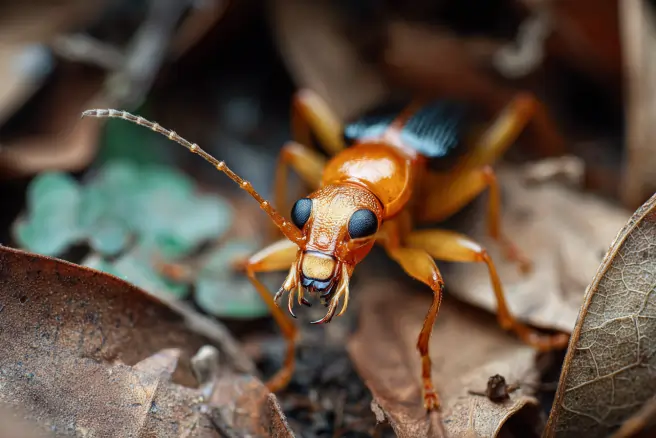
Hiring a professional exterminator can be a critical step in addressing pest-related issues in your home or business. Understanding what to expect during their visit can help you prepare effectively and ensure the process goes smoothly. Here’s a detailed guide on what typically happens during an exterminator’s visit.
Initial Inspection
- Identify the Infestation: Examine areas where pests are commonly found, such as kitchens, basements, or attics.
- Pinpoint Entry Points: Look for cracks, holes, or openings where pests might be entering your property.
- Spot Signs of Damage: Check for droppings, nests, gnawed wires or furniture, and other visible signs of infestation.
This stage is crucial because it enables the exterminator to determine the scope of the problem and recommend appropriate solutions.
Explanation of Findings
- The Type of Pest(s): Whether it’s rodents, cockroaches, termites, ants, or another pest entirely.
- The Severity of Infestation: A breakdown of how widespread the issue is across your property.
- Contributing Factors: Environmental or structural conditions that may have led to or worsened the infestation (e.g., humidity levels encouraging termite activity).
This transparent communication helps you understand not only what’s happening but also why it’s happening.
Customized Treatment Plan
| Treatment Methods | Description |
| Chemical Treatments | Use of pesticides and insecticides specifically targeting problem pests while ensuring safety standards are followed for humans and pets. |
| Non-Chemical Alternatives | Techniques such as traps for rodents or heat treatments for bed bugs if you prefer eco-friendly methods. |
| Preventative Measures | Recommendations to prevent future infestations such as sealing cracks and improving storage practices within your home or business premises. |
You’ll have an opportunity to ask questions about these approaches before any action is taken.
Execution of Treatment
- The exterminator will apply treatments carefully based on the areas identified in their inspection.
- Safety precautions will be prioritized to protect household members (including pets) during chemical applications.
- In some cases (e.g., severe infestations), multiple visits may be necessary.
Post-Treatment Cleaning Tips
- Avoid deep cleaning immediately after treatment as it might remove some pesticide residues.
- Vacuum dead pests but discard vacuum bags promptly outside your home.
- Wipe down surfaces only after consulting with professionals about safe timeframes.
Follow-Up Recommendations
- Schedule periodic inspections depending on your area’s pest risk levels.
- Implement suggested preventive measures like sealing food containers tightly and maintaining cleanliness consistently.
By knowing what each stage involves during an extermination visit ensures less stress while optimally restoring pest-free balance at home/business efficiently
Effective Miami Gardens FL Pest Control: Why Hiring Professional Exterminators Matters
Pest infestations can disrupt your daily life, damage your property, and potentially harm your health. Engaging professional exterminators offers numerous benefits over attempting do-it-yourself (DIY) solutions. From precise pest identification to effective treatments and long-term prevention strategies, professionals bring expertise and efficiency to pest control. Below are some key advantages of hiring professional exterminators for safeguarding your space.
https://sites.google.com/view/pestinspectionmiamigardens/home
Professional Exterminator Services in Miami Gardens FL for Precise Pest Identification
One of the primary challenges in pest control is correctly identifying the pests invading your home or business. Misidentification can lead to ineffective treatments, wasted resources, and prolonged infestations. Professional exterminators have extensive experience with various types of pests, including:
– Insects (e.g., ants, cockroaches, termites)
– Rodents (e.g., rats and mice)
– Wildlife (e.g., squirrels or raccoons in attics)
Accurate identification allows them to tailor their approach based on the species’ unique behavior patterns and habitats.
Effective Miami Gardens Pest Removal with Advanced Tools and Treatments
Professional exterminators utilize tools, products, and methods that are not readily available to the general public. These include high-grade pesticides, advanced traps, and modern equipment like heat treatments or fumigation systems. Some benefits of these advanced resources include:
– Effectiveness: Stronger formulas that eliminate pests at all life stages – from eggs to adults.
– Eco-Friendliness: Use of eco-conscious solutions that minimize environmental impact while remaining effective against pests.
– Safety: Reduced risk compared to DIY usage of over-the-counter chemicals.
Reliable Pest Control Service Miami Gardens FL for Time-Efficient Solutions
Attempting to handle a pest infestation independently often leads to trial-and-error approaches that can take weeks or months without guaranteed success. Professional exterminators streamline the process by diagnosing the issue promptly and implementing targeted solutions efficiently. Their expertise reduces downtime for homes or businesses dealing with disruptions caused by pests.
Comparative Table: DIY vs Professional Pest Control
| Factor | DIY Solutions | Professional Exterminators |
| Effectiveness | Limited success due to improper tools/treatments | High success rate with expert techniques |
| Time Required | Weeks/months depending on trial & error | Swift diagnosis and implementation |
| Safety Concerns | Risk of mishandling chemicals | Safe application by trained professionals |
| Long-Term Prevention | Often lacks preventative measures | Incorporates prevention strategies |
Customized Treatment Plans
Every infestation is unique in scope, severity, and type of pest involved. Exterminators evaluate these factors during an inspection and create customized treatment plans tailored specifically for your property’s needs. Tailored services ensure optimal outcomes while minimizing unnecessary pesticide use.
Customized plans often include:
1. Initial Inspection: Thorough assessment of affected areas. 2. Treatment Plan Development: Strategic selection of methods based on infestation type. 3. Follow-Up Visits: Periodic monitoring ensures lasting results.
Long-Term Prevention Strategies
Professional extermination services go beyond simply eliminating immediate threats; they also focus on preventing future infestations through proactive measures like sealing entry points or recommending improved sanitation practices.
Examples include:
– Inspecting cracks/crevices where pests may enter. – Educating property owners about food storage methods. – Installing barriers such as screens or traps where necessary.
Hiring professional exterminators ultimately protects your investment in your property by reducing potential damages caused by persistent infestations while ensuring a safer living or working environment long-term.
Guardians of Your Space: The Benefits of Hiring Professional Exterminators for Pest Control
When faced with a pest problem, the decision to hire professional extermination services can make all the difference in reclaiming your space. Professional exterminators bring expertise, specialized tools, and tailored solutions that are often hard to achieve through DIY methods. Below, we outline the key benefits of hiring an experienced pest control professional.
Expertise and Knowledge
- Accurate Pest Identification: Understanding the type of pest is crucial for determining the appropriate treatment plan. For example, termites require a different approach than rodents or bed bugs.
- Understanding Pest Behavior: Professionals know pest habits, nesting patterns, and reproduction cycles, leading to targeted elimination strategies.
- Application of Science-Based Solutions: Exterminators use evidence-based techniques rather than guesswork to solve infestations.
Safer Handling of Chemicals and Tools
- Proper Use of Pesticides: Licensed exterminators use regulated products that are safe for humans and pets when applied as directed.
- Minimized Health Risks: They follow strict safety protocols during application, reducing exposure to harmful toxins.
- Specialized Equipment: Professionals utilize advanced tools like baiting systems, thermal imaging cameras for termite detection, or traps designed for specific pests.
| Safety Factor | DIY Methods | Professional Exterminators |
| Chemical Application | Risk of overuse/misuse | Controlled and precise application |
| Protective Measures | May lack proper gear | Industry-grade safety equipment |
| Environmental Impact | Potential over-treatment | Eco-friendly practices |
Customized Treatment Plans
- Identifying entry points
- Locating nests or colonies
- Assessing the severity of the infestation
- Integrated Pest Management (IPM) strategies that combine prevention with treatment
- Specific treatments for different pests based on their behavior and lifecycle
- Sealing cracks or gaps
- Addressing moisture issues
- Removing clutter that may harbor pests
Long-Term Cost Savings
- Reduced likelihood of recurring infestations
- Prevention measures that save future repair costs (e.g., termite damage)
- Warranties or follow-up visits included in service agreements
Peace of Mind
Dealing with pests can be stressful and time-consuming. Professional exterminators allow you to focus on your daily responsibilities while they eliminate the issue efficiently.
Key benefits include:
– Confidence in knowing the problem is resolved effectively
– Reduced risk of health hazards from pests like rodents (disease carriers) or cockroaches (allergens)
– A safer home environment for you and your loved ones
Hiring a professional exterminator is not just about solving a current problem; it’s about safeguarding your home or business against future infestations while ensuring effective management with minimal disruption to your life.
The Benefits of Hiring Commercial Exterminators to Keep Your Business Pest-Free
Pests can pose significant risks to businesses, including damage to property, harm to reputation, and potential health violations. Hiring professional commercial exterminators ensures effective pest management while allowing you to focus on running your business without worrying about infestations. This article explores the key benefits of partnering with commercial extermination services and how they help maintain a safe and pest-free environment.
Expertise and Experience in Handling Complex Infestations
- Accurate Identification: Correctly identifying pest species is critical for an effective elimination strategy.
- Knowledge of Regulations: Compliance with local health and safety regulations is essential for any business, especially in industries like food service.
- Specialized Tools and Techniques: Exterminators use advanced tools and proven methods unavailable through over-the-counter solutions.
Minimizing Business Disruptions
- Flexible service schedules (e.g., after-hours or weekends)
- Discreet service using unmarked vehicles
- Fast response times for emergencies
This approach ensures the pest problem is resolved without affecting your customers or employees.
Preventative Measures for Long-Term Protection
| Preventative Measure | Purpose |
| Sealing Entry Points | Blocking access for rodents, insects, or other pests |
| Routine Inspections | Identifying early signs of infestation |
| Environmental Modifications | Reducing food, water, or shelter sources |
These proactive steps save businesses from recurring issues and additional expenses.
Customized Pest Control Solutions
No two businesses are alike; therefore, every pest situation requires a tailored approach. Professional extermination services assess your specific needs based on industry type, property layout, and infestation severity before crafting customized solutions.
For instance: – Restaurants may require rodent traps near food storage areas. – Warehouses might need fumigation treatments to eliminate hidden pests. – Offices may benefit from ongoing monitoring programs designed for low-risk environments.
Custom plans ensure that treatment methods are both effective and business-specific.
Safeguarding Health & Reputation
- A clean working environment free from harmful pests such as cockroaches or rodents.
- Adherence to industry-specific health standards (especially critical in hospitality or food production).
- Improved customer trust by maintaining high cleanliness standards.
Cost Efficiency Over Time
While hiring professional exterminators might seem like an upfront expense initially, it often proves more cost-effective in the long run by preventing extensive damage or repeated infestations. Early intervention saves money on repairs caused by destructive pests like termites or rats while reducing lost revenue linked to operational downtime due to infestations.
Through their expertise in treating current issues efficiently while preventing future ones proactively, commercial exterminators provide valuable peace of mind—allowing you to focus solely on growing your business within a safe environment free from unwelcome invaders.
Elevate Your Business Protection Against Pests: Choosing the Ideal Commercial Exterminator Services
Ensuring that your business remains pest-free is crucial to maintaining a safe, healthy, and professional environment for both your employees and customers. Pests can damage property, tarnish your reputation, and even lead to regulatory fines in certain industries. Choosing the right commercial exterminator services is essential for effectively tackling infestations while preventing future problems. Below are key considerations and actionable steps to help you select the most suitable extermination services for your business.
Key Factors to Consider When Selecting a Commercial Exterminator
- Experience in Your Industry
Different industries face unique pest challenges. For instance: - Restaurants may struggle with rodents or cockroaches due to food storage.
- Warehouses might encounter issues with insects like moths or beetles damaging stored goods.
- Office buildings often deal with ants or occasional rodent intrusions.
Select an exterminator experienced in handling the specific pest control needs of your industry.
- Certifications and Licenses
Always confirm that the company holds proper certifications and licenses in line with state regulations. These credentials validate their expertise and commitment to safety protocols. - Integrated Pest Management (IPM) Approach
Look for providers who use Integrated Pest Management methods, which combine: - Prevention strategies
- Targeted treatments
- Ongoing monitoring
This approach minimizes chemical use while focusing on long-term solutions.
- Reputation and Reviews
Research company reviews online via platforms like Yelp, Google, or industry-specific forums. Positive references from other businesses add credibility. - Response Time & Availability
A trustworthy extermination service should provide prompt assistance in emergency situations while offering flexible scheduling options for routine maintenance.
Questions to Ask Potential Commercial Exterminators
- What types of pests do you specialize in?
- Can you provide references from businesses similar to mine?
- What chemicals or treatments do you use? Are they safe for employees and customers?
- Do you offer ongoing maintenance plans instead of one-time treatments?
Comparing Costs vs Value
While cost is important, focus on value rather than simply selecting the cheapest option. A low-cost service may save money upfront but could lead to inadequate results, requiring additional treatment down the line.
| Service Provider | Experience Level | Safety Certifications | Long-Term Maintenance Plan Offered | Approximate Cost Range |
| Provider A | 10+ years | State & National | Yes | $$ |
| Provider B | 5 years | Local Only | No | $ |
| Provider C | 15+ years | State & National | Yes | $$$ |
Benefits of Choosing a Reliable Exterminator
- Compliance with Regulations: Particularly relevant for foodservice or healthcare businesses where strict hygiene standards are required.
- Reduced Risk of Property Damage: Prevent pests from damaging inventory, structural components, or electrical wiring.
- Improved Employee Morale: A clean space promotes productivity and boosts employee satisfaction.
- Enhanced Customer Confidence: Clients and patrons are more likely to trust a business that maintains a safe environment.
Selecting an ideal commercial extermination service not only protects your physical workspace but also safeguards your brand reputation by ensuring a pest-free experience for everyone involved with your business operations.
Tailored Treatment Plans: How Exterminators Customize Solutions for Effective Pest Elimination
Effective pest control is not a one-size-fits-all solution. Every infestation is unique, requiring a customized approach to address the specific pest problem while minimizing risks to your property and health. Exterminators develop tailored treatment plans by carefully assessing the situation, identifying factors contributing to the infestation, and using targeted strategies to eliminate pests efficiently. Below, we’ll explore how exterminators customize their solutions for maximum effectiveness.
Step 1: Comprehensive Inspection and Pest Identification
- Type of Pests: Identifying the species of pests is crucial because different pests require different treatment methods. For example, termites demand a different approach than rodents or cockroaches.
- Infestation Severity: Assessing how widespread the problem is helps guide the scope of treatment required.
- Entry Points and Nesting Areas: Exterminators locate entry points and nesting areas like cracks in walls, basements, attics, or outdoor structures.
- Environmental Factors: Factors such as moisture levels, food sources, or landscaping features that contribute to infestations are noted during this stage.
Step 2: Customized Treatment Plan Development
After diagnosing the problem, exterminators design a treatment plan personalized for your property’s needs. This plan includes factors like pest behavior patterns and homeowner concerns such as pet safety or environmental impact.
- Specific Treatment Methods: Whether it’s baiting systems for termites or traps for rodents, exterminators select tools tailored to target the specific pests present.
- Chemical or Non-Chemical Solutions: For environmentally conscious clients or sensitive situations (e.g., homes with pets or children), exterminators may recommend alternatives such as organic pesticides or mechanical traps.
- Targeted Application: Pesticides are applied only where necessary—such as wall voids, perimeter areas, or other high-risk zones—reducing overuse and exposure.
Step 3: Integrated Pest Management (IPM) Strategies
- Sealing cracks and gaps
- Installing screens on vents
- Addressing structural vulnerabilities
- Educating homeowners on sanitation practices
Step 4: Monitoring Progress and Adjustments
No effective treatment ends with just one visit. Exterminators monitor progress through regular follow-ups to gauge effectiveness and make necessary adjustments over time.
| Visit Number | Actions Taken | Goal |
| First Visit | Initial inspection & primary treatments | Reduce active infestation |
| Second Visit | Follow-up application & evaluation | Address remaining pests |
| Third Visit | Preventative measures & client education | Ensure long-term protection |
Benefits of Tailored Plans
Customizing pest control solutions ensures that treatments are both effective and efficient while minimizing unnecessary exposure to chemicals. Moreover, it reduces recurrence by addressing root causes rather than surface-level symptoms alone.
By choosing professional extermination services that prioritize tailored strategies over generic solutions, homeowners gain peace of mind knowing that their unique needs are fully addressed in every aspect of pest management.
Post-Treatment Guidance and Follow-Up: Ensuring Long-Term Protection from Pests
Hiring a professional exterminator to address pest infestations is just one part of the pest control process. Equally important is the post-treatment phase, which plays a critical role in maintaining a pest-free environment over the long term. This guide details what you can expect after treatment and how to ensure lasting results.
1. Thorough Inspection and Reporting
After the initial treatment, exterminators often conduct a follow-up inspection to: – Ensure that the pests have been effectively eliminated. – Identify any remaining signs of activity or breeding grounds. – Evaluate areas that may require additional preventive measures.
Professionals may provide a report detailing their findings, including any recommendations for safeguarding your home or business from future infestations.
2. Preventative Recommendations
To maintain long-term protection against pests, your exterminator will likely offer tailored advice based on your specific situation. These recommendations may include: – Sealing Entry Points: Closing gaps around windows, doors, pipes, and vents to prevent pests from re-entering. – Proper Food Storage: Keeping food in airtight containers to reduce attractants. – Regular Maintenance: Addressing leaky plumbing or moisture buildup that attracts pests such as cockroaches or termites. – Waste Management: Utilizing sealed garbage bins and promptly disposing of waste.
3. Timeline for Re-Treatment
Some infestations may require multiple treatments for complete eradication. Your exterminator will provide you with a re-treatment schedule if necessary. For example: | Pest Type | Typical Re-Treatment Interval | |———————|——————————| | Termites | Once every few months | | Ants | As needed during active seasons | | Rodents | After 2-3 weeks if activity persists | | Bed Bugs | Follow-up within 10-14 days |
Ongoing monitoring ensures that the infestation does not recur.
4. Monitoring Devices
Exterminators may install monitoring devices such as traps or bait stations in strategic locations around your property. These tools help detect any remaining pest activity and provide early warnings of potential reinfestation.
5. Education on Warning Signs
A crucial aspect of post-treatment follow-up is educating homeowners or business owners about early warning signs of reinfestation. Common indicators include: – Droppings or shed skin. – Strange odors in hidden areas. – Damage to walls, furniture, or stored food.
Recognizing these signs early allows for prompt action before the problem escalates.
6. Regular Maintenance Plans
Some extermination companies offer ongoing maintenance plans designed to keep your property pest-free year-round. These services often include periodic inspections, preventive treatments, and access to emergency assistance if unexpected problems arise.
Benefits of Post-Treatment Follow-Up Services
A well-executed post-treatment plan ensures: 1. The initial investment in extermination yields lasting results. 2. Reduced likelihood of recurring infestations. 3. Peace of mind knowing potential risks are addressed proactively.
By adhering to professional guidance after treatment and taking preventive actions, you can maintain a safe and healthy environment while minimizing future pest control needs over time.
- What to Expect from a Pest Control Company in Miami Gardens FL: Your Comprehensive Step-by-Step Guide
- The Ultimate Checklist for Cleaning After Miami Gardens FL Pest Control
- Step-by-Step Guide: How an Exterminator Miami Gardens FL Can Professionally Get Rid of Roaches
- How to Prepare Your Home for Miami Gardens FL Pest Control Services
- Understanding the Role of Miami Gardens FL Pest Control Experts and Why They’re Essential
- Comprehensive Guide to Choosing a Pest Control Company Miami Gardens FL for Expert Extermination Services
- How Property Owners in Miami Gardens FL Can Prepare for a Pest Control Company Treatment